Many people are curious about acupuncture but oftentimes, they tend to hesitate because they don’t fully understand how it works.
Some assume it’s based on tradition alone, while others worry it might not be grounded in real physiology.
These concerns are understandable, especially if you’re used to conventional medicine.
However, the reality is acupuncture works by stimulating your body’s own healing systems.
When it’s used correctly, it supports your nervous system, improves circulation, reduces inflammation, and helps your body recover more efficiently from pain, stress, and injury.
Modern research continues to clarify how these effects occur, making acupuncture a valuable option within integrative medical care.
With that in mind, this article explains how acupuncture works, why it helps your body heal, and what you can realistically expect from an acupuncture treatment.
How Acupuncture Works in the Body
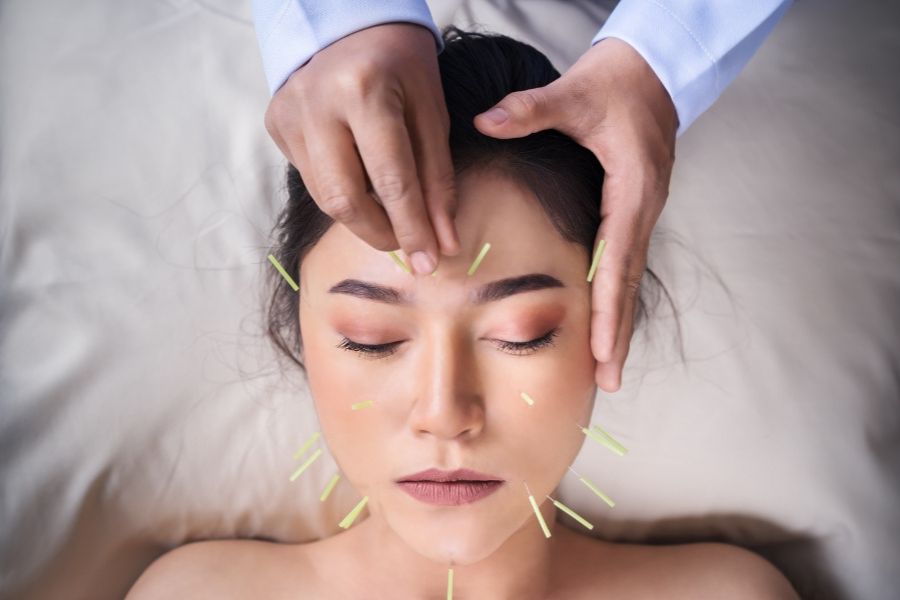
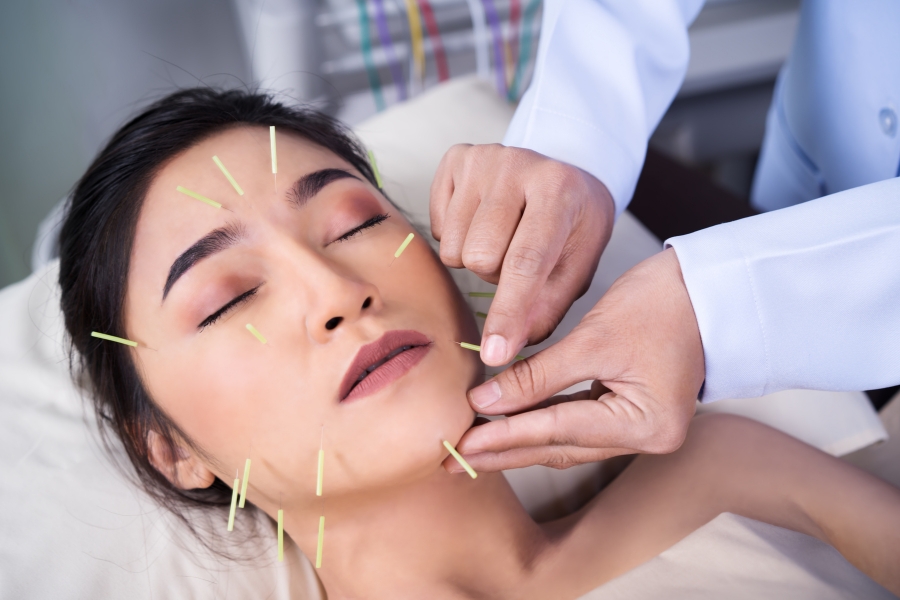
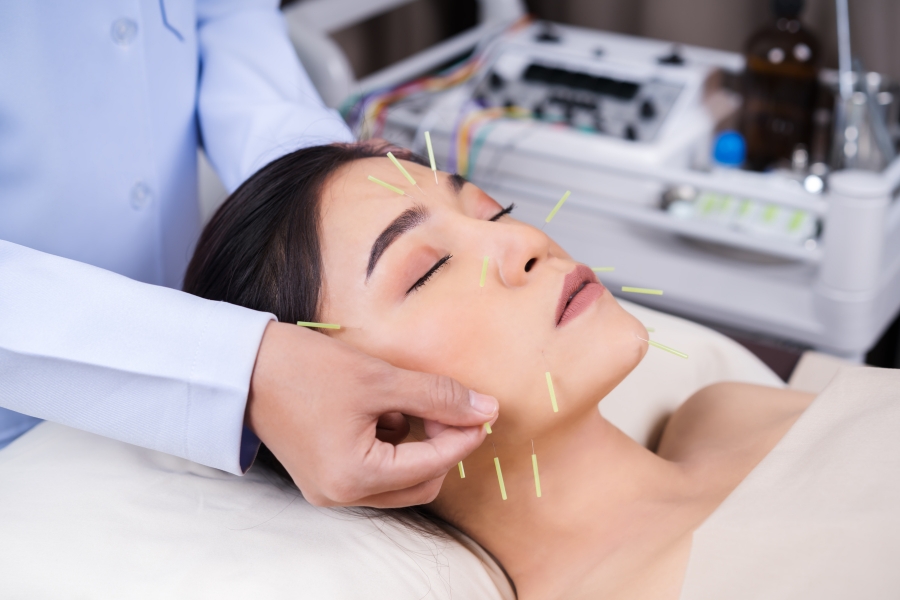
Acupuncture involves the gentle placement of very fine needles at specific points on your body.
These points are chosen based on anatomy, nerve pathways, circulation, and your body’s response to stimulation.
The needles do not introduce medication or chemicals. Instead, they act as signals that prompt the body to respond.
When an acupuncture needle is placed, it creates a controlled stimulus, which sends signals through the nervous system and surrounding tissues.
The body interprets this as a cue to activate repair mechanisms, regulate pain signals, and improve communication between systems that may not be functioning optimally.
And rather than forcing change, acupuncture encourages balance. It supports your body’s natural ability to regulate itself, which is why its effects often extend beyond the area being treated.
How Acupuncture Affects the Nervous System
If you want to know how acupuncture works, one of the most important things to understand is its effect on the nervous system.
The nervous system plays a central role in healing, but when your body is under stress, injured, or in chronic pain, the nervous system can become overstimulated.
This overstimulation keeps the body in a heightened state of alert, which is often referred to as a stress response. And in this state, healing slows down.
Acupuncture helps to calm this response, as needle stimulation activates sensory nerves that communicate directly with the brain and spinal cord.
This interaction encourages your body to shift out of a stress-driven state and into a more regulated, restorative one.
And when your nervous system settles down, muscle tension eases, breathing becomes more regular, and your body can redirect energy toward repair rather than defense.
This nervous system regulation explains why many patients feel relaxed during or after treatment, even when acupuncture is used for pain or physical discomfort.
How Acupuncture Supports Healing and Circulation
Healing depends on circulation, as oxygen, nutrients, immune cells, and healing compounds all travel through your bloodstream.
So, it makes sense that when circulation is compromised, recovery takes longer.
Acupuncture supports circulation by stimulating blood flow to targeted areas.
The micro-stimulation created by the needles encourages blood vessels to dilate and improves local circulation, while this increased blood flow delivers oxygen and nutrients to tissues that may be tight, inflamed, or injured.
Improved circulation also helps remove metabolic waste and inflammatory byproducts that can slow your recovery.
This process supports tissue repair and helps explain why acupuncture is often used to assist with muscle soreness, joint stiffness, and injury recovery.
All things considered, when circulation improves, tissues receive what they need to heal, and discomfort often decreases as a result.
How Acupuncture Helps Reduce Pain and Inflammation
Pain and inflammation are closely connected. And while inflammation is a natural part of healing, chronic or excessive inflammation can prolong pain and interfere with recovery.
Acupuncture influences pain in several ways.
First, it helps regulate how pain signals are transmitted through the nervous system, as needle stimulation can reduce the intensity of pain signals before they reach the brain.
But this does not mask pain in the way medications might. Instead, it helps normalize how pain is processed.
Second, acupuncture encourages the release of the body’s natural pain-relieving chemicals. These substances help reduce discomfort and create a sense of relief without the side effects associated with many medications.
Third, acupuncture helps address inflammation by improving circulation and supporting immune regulation.
Because when inflammation is better controlled, tissues are less irritated, and healing can proceed more efficiently.
This combination makes acupuncture useful for both acute pain and longer-term discomfort.
Why Acupuncture Helps the Body Heal Faster
Healing requires coordination, as the nervous system, circulatory system, immune response, and musculoskeletal system all need to work together.
And when one system is out of balance, healing slows.
But luckily, acupuncture can help restore communication between these systems.
By calming the nervous system, improving blood flow, and helping to control inflammation, acupuncture creates an environment where healing can occur more efficiently.
And this is why some patients notice faster recovery times or improved responses to other treatments when acupuncture is included as part of their care plan.
Rather than addressing symptoms in isolation, acupuncture supports the body as a whole. This whole-body approach is especially valuable for people dealing with ongoing pain, stress-related conditions, or recovery challenges that do not respond well to a single intervention.
What Acupuncture Can Help With
Acupuncture is used for a wide range of concerns.
And while results vary from person to person, many patients seek acupuncture for:
- Joint discomfort
- Chronic or acute pain
- Stress-related symptoms
- Headaches and migraines
- Muscle tension and stiffness
- Recovery from injury or surgery
- General fatigue or feeling run down
In each case, the goal is not simply symptom relief. The goal is to help your body restore balance and function so that your symptoms improve naturally over time.
Acupuncture is often used alongside other medical or wellness treatments to support overall care rather than replace it.
What to Expect During an Acupuncture Treatment
For those who are new to acupuncture, uncertainty about the experience is common, but understanding what happens during a session can help ease concerns.
An acupuncture appointment typically begins with a conversation about your health, symptoms, and goals, as this information helps guide point selection and treatment focus.
During the treatment, very thin needles are placed at specific points, and you might be surprised to find out that most people feel little to no discomfort.
Sensations may include mild pressure, warmth, or a brief tingling feeling, but these sensations usually fade quickly.
Once the needles are in place, you’ll rest comfortably for a period of time.
Many people describe this part of the treatment as deeply relaxing. Some even fall asleep.
After the session, it is common to feel calmer, lighter, or more at ease.
Some people notice immediate changes, while others experience gradual improvement over several sessions.
Why Physician-Led Acupuncture Matters
Not all acupuncture is the same, and you don’t have to be a doctor to provide this treatment.
However, when acupuncture is guided by a physician, it’s integrated into a broader understanding of your health.
Physician-led acupuncture takes into account your medical history, current conditions, medications, and overall wellness.
This approach ensures that treatment is appropriate, safe, and aligned with your specific needs.
A medical perspective also allows acupuncture to be coordinated with other treatments, and this kind of integration supports better outcomes and avoids a one-size-fits-all approach.
For patients who value evidence-based care, physician-guided acupuncture provides reassurance that treatment decisions are grounded in both traditional knowledge and modern medical understanding.
Understanding Results and Expectations
If you want to get an acupuncture treatment, you’ve got to have realistic expectations.
With that in mind, it’s important to know that some people notice improvement quickly, while others require multiple sessions to experience meaningful change.
The timeline depends on factors such as the nature of your condition and how long it’s been present, along with your overall health and how your body responds to treatment.
At any rate, acupuncture is not a quick fix. It’s a process that supports healing over time.
And that means consistency and personalization are key factors in achieving the best results.
Why Education Matters When Considering Acupuncture
Many misconceptions about acupuncture come from a lack of clear explanation.
But when people understand how acupuncture works, then they’re better able to decide whether it fits their needs.
Education helps shift acupuncture from something mysterious to something practical, and it makes it easier to view it as a tool for healing rather than some alternative trend.
In any case, knowing how acupuncture supports the nervous system, circulation, and inflammation allows you to make more informed choices and feel more confident about your care.
Acupuncture is most effective when it’s integrated into your overall health-care plan.
Dr. Seth combines internal medicine training with evidence-based acupuncture to ensure treatment decisions are safe, appropriate, and personalized.
Book an appointment today to discuss your needs and options.