What Are My Options for Menopause Treatment?
Your menopause treatment options can include hormone therapy, bioidentical hormone therapy, non-hormonal medications, nutrition, and lifestyle support, as well as treatments for specific concerns, such as hair thinning or skin changes.
The right approach depends on which symptoms are affecting you most, your medical history, and your overall health.
In any case, a physician-led evaluation can help determine what may be related to menopause and which treatments are appropriate for your needs.
Key Takeaways:
- Hormone therapy may help some women, but it’s not appropriate for everyone.
- Bioidentical hormone therapy can be one option within a broader treatment plan.
- Sleep, nutrition, stress, and other health factors can influence menopause symptoms.
- Hair and skin changes may also be addressed as part of a whole-person approach to care.
- Menopause treatment should be personalized to your symptoms, health history, and goals.
Menopause is a natural stage of life, but that doesn’t mean the changes leading up to it always feel simple or predictable.
One woman may struggle mostly with hot flashes and disrupted sleep, while another may notice that her energy has dropped, her mood feels different, or her hair and skin seem to be changing at the same time.
These symptoms can affect how you feel physically, how well you sleep, how focused you feel during the day, and how comfortable you feel in your own body.
They can also be easy to dismiss as stress, aging, or simply something you have to live with.
And that’s why considering menopause treatment options should start with understanding what’s happening in your body, rather than assuming every woman needs the same solution.
With that in mind, this article explains the main menopause treatment options and why the best approach depends on the woman, and not just the symptoms she’s experiencing.
Why Menopause Symptoms Can Feel So Different for Each Woman
Menopause marks the point when menstrual periods have stopped for 12 consecutive months, but many changes begin earlier during perimenopause.
During this transition, estrogen and progesterone levels can fluctuate, and those shifts can affect several systems in the body.
As a result, some women experience hot flashes, night sweats, vaginal dryness, or changes in their menstrual cycle.
Others have trouble sleeping, feel more irritable, notice changes in concentration, or experience shifts in body composition.
Moreover, skin may become thinner or drier, and some women also notice hair thinning as they move through midlife.
The important point here is that menopause doesn’t follow one fixed course, and the severity, combination, and duration of symptoms can differ greatly from one person to another.
It’s also important to point out that not every symptom that appears during midlife comes from menopause itself.
Fatigue, poor sleep, mood changes, hair loss, or changes in weight can have many other contributing causes, including things like medical conditions, medications, stress, nutritional issues, and lifestyle factors.
And this is one reason why it’s good to look beyond the symptoms themselves.
Because if several changes appear at once, a broader medical review can help determine what may be related to menopause and what deserves separate attention.
Menopause Treatment Options Should Start With the Whole Person

When women search for menopause treatment options, they often encounter a long list of possible remedies.
But the challenge isn’t simply finding something that claims to help. The real question is which approach makes sense for your symptoms, medical history, and goals.
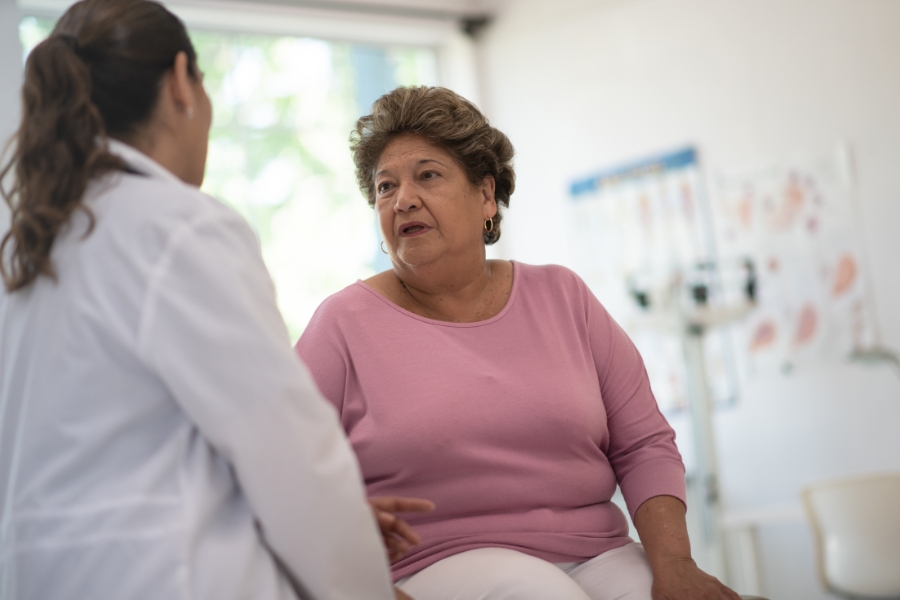
At any rate, a whole-person evaluation starts with a conversation about what you’re experiencing and how those symptoms affect your daily life. Your doctor may also review your medical history, medications, sleep, nutrition, stress, and other health concerns that could influence how you feel.
And that process is incredibly important because two women with similar symptoms may need very different care.
For example, one woman may be mainly affected by hot flashes and night sweats that interfere with sleep, while another may be more concerned about fatigue, mood, or changes in her hair and skin.
At the same time, another woman may have symptoms that appear to be related to menopause but also has another medical issue that needs attention.
All things considered, the goal is to understand what may be contributing to your symptoms before deciding which menopause treatment options deserve consideration.
Hormone Therapy as One Menopause Treatment Option
Hormone therapy can be an effective treatment for certain menopause symptoms, especially hot flashes and night sweats. And it may also help with vaginal dryness and other symptoms related to declining estrogen levels.
It’s important to note that hormone therapy isn’t one single treatment. Different formulations and delivery methods exist, and the appropriate choice depends on factors like whether you still have a uterus, which symptoms you want to address, and your personal medical history.
Bioidentical hormone therapy offers one approach to hormone-related care for menopause.
The term bioidentical refers to hormones that are chemically identical to hormones produced by the human body. Some FDA-approved hormone products fit that description, while compounded bioidentical hormone products are prepared differently and are not FDA-approved in the same way.
And that distinction matters.
Hormone therapy should never be treated as a one-size-fits-all answer or assumed to be appropriate simply because a product is described as natural or bioidentical.
No matter what you’re dealing with, your physician should consider your symptoms, risks, medical history, and treatment goals before recommending any kind of hormone therapy.
Hormone therapy can be an important part of menopause care for some women, but it’s still only one of several menopause treatment options that are out there.
Looking Beyond Hormones When Treating Menopause Symptoms
Hormonal changes may play a major role in menopause, but they’re not the only factors that can affect how you feel during midlife.
Sleep deserves particular attention, as hot flashes and night sweats can disrupt your sleep, but things like stress, medications, and other health issues can also interfere with sleep.
When poor sleep continues night after night, it can affect your energy, concentration, mood, and ability to manage daily demands.
So, if fatigue becomes one of your biggest concerns, it makes sense to look beyond hormone levels alone.
Nutrition is also extremely important when it comes to your energy levels.
But rather than chasing supplements or restrictive diets, a more useful approach is to look at your overall nutritional intake and identify areas that may need attention.
At the same time, physical activity can support bone health, muscle strength, mood, sleep, and cardiovascular health as you age, and this is also a good time to pay closer attention to areas such as blood pressure, cholesterol, weight changes, and metabolic health.
In addition, some women may benefit from non-hormonal medications for specific menopause symptoms.
Stress also deserves attention, as this time of your life often coincides with demanding careers, caregiving responsibilities, family changes, or shifts in sleep and routine.
These pressures can make symptoms feel more intense or make it difficult to know which changes are related to menopause and which may have another cause.
And this is another reason why having a broader medical conversation is always helpful when it comes to menopause symptoms.
Hair and Skin Changes During Menopause
For many women, menopause becomes visible as well as physical.
Among other things, declining estrogen levels can contribute to thinner, drier skin and other changes in skin quality.
And your hair can change, as well.
Some women notice increased shedding, a widening part, or less volume after menopause.
Hormonal changes can contribute, but hair loss can also have other causes. Nutrition, thyroid conditions, medications, stress, and other health factors may need to be considered.
And this is where a physician’s medical and aesthetic experience can work together.
Rather than assuming every hair or skin concern is purely cosmetic, they can consider whether an internal factor may be contributing.
If an aesthetic treatment is appropriate, there are plenty of physician-directed options available for concerns such as thinning hair, pigmentation, skin texture, and other visible changes that may become more noticeable during midlife.
TED hair restoration, for example, offers a non-surgical option for certain types of hair thinning, while laser and skin rejuvenation treatments may help address specific concerns related to tone, texture, pigmentation, or collagen.
These treatments don’t replace medical evaluation, but they can become part of a broader plan when they match your specific needs.
The goal isn’t to chase youth or erase every visible sign of aging. It’s to help you understand what’s changing and decide which treatment options, if any, make sense for you.
Choosing the Right Menopause Treatment
The best treatment plan isn’t necessarily the one that worked for your friend, appeared in a social media post, or promises to fix every menopause symptom at once.
So, start with the symptoms that affect your life most.
- Are hair or skin changes making you wonder whether something else is happening?
- Are hot flashes interrupting work or social situations?
- Have mood changes become difficult to manage?
- Are vaginal symptoms affecting your comfort?
- Is poor sleep leaving you exhausted?
From there, your physician can help you look at the larger picture.
Your medical history may influence whether hormone therapy is appropriate, as certain health conditions and risk factors can make systemic hormone therapy unsuitable for some women.
And this is why the benefits and risks need to be considered individually.
At the same time, your preferences also matter.
Some women want to explore hormone therapy, while others prefer non-hormonal approaches or can’t use hormones safely.
Some are mainly concerned about sleep or mood, while others want help with hair thinning, skin changes, energy, or several symptoms at once.
All things considered, the right menopause treatment should reflect your unique preferences and priorities.
Moreover, treatments that help during one stage may need to be adjusted later, as symptoms can shift as you move from perimenopause through menopause and into the years after it.
And this is just one more example of why menopause treatment works best as an ongoing conversation rather than a decision you make once and never revisit.
Are you unsure which menopause treatment options are right for you?
Book a consultation to discuss your symptoms, medical history, and goals with Dr. Seth and find out which approaches may be worth considering.